In a time marked by both personal and collective grief, love and support remain the key pillars in coping with loss, as concluded by participants at the
“A Cup of Coffee with a Psychologist” panel, dedicated to the topic “The Psychology of Loss: what remains after loss and how it affects us, our relationships, and society.”
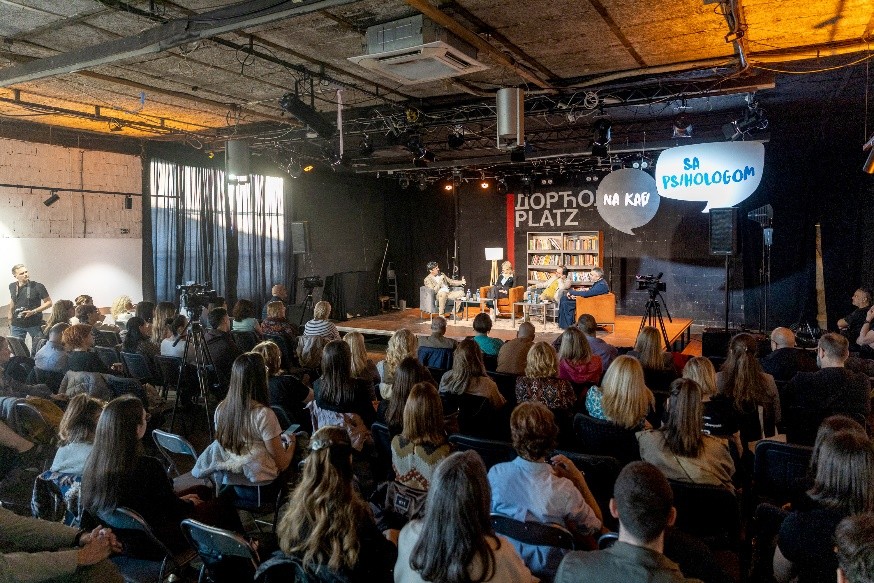
“A Cup of Coffee with a Psychologist,” a panel discussion on the topic: “The Psychology of Loss: what remains after loss and how it affects us, our relationships, and society.”
Speaking about the nature of loss, psychotherapist
Jelena Sladojević Matić emphasized that it is a universal human experience which, despite its difficulty, can open space for personal growth.
“Loss is a universal human experience, but individuals can also develop certain potentials through it,” she said, adding that the loss of loved ones is particularly difficult because
“no matter how much we prepare for it, loss always comes as a painful surprise. As she explained, coping with loss often involves internalizing it and attempting to find meaning and comfort..
“Some losses cannot be fully integrated. I am not sure to what extent we have come to terms with certain collective traumas that keep recurring,” said Jelena Sredojević Matić, emphasizing that there is no universal pattern of “normal” emotions in such situations, but that
“it is clear that love and support are the answer to coping with these emotions.”
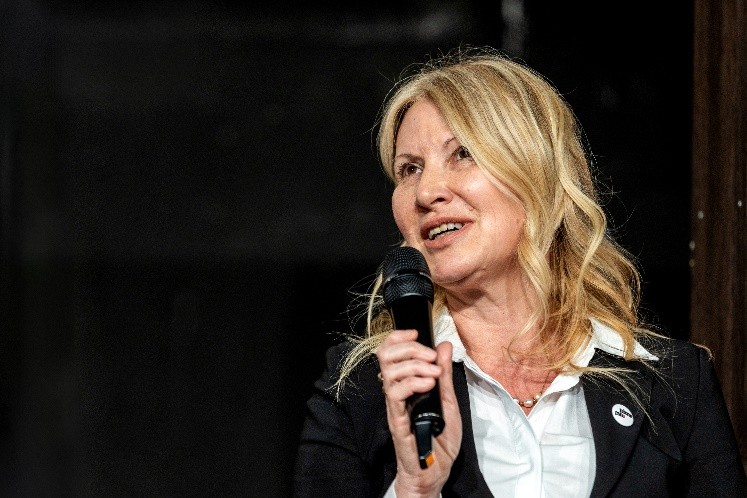
Jelena Sladojević Matić, psychotherapist
Sociologist
Dalibor Petrović pointed to the way society responds to tragedies, citing the examples of mass shootings in elementary school Ribnikar, and villages of Dubona and Malo Orašje, in which 19 people were killed, as well as the collapse of the railway station canopy in Novi Sad, which resulted in the deaths of 16 people. In such moments, he said, citizens demonstrated empathy and solidarity, but also a need to raise the question of accountability after the initial wave of support.
“This is the path to recovery – seeking accountability and justice,” Petrović noted, warning that if root causes are not addressed, distrust in society will continue to grow.
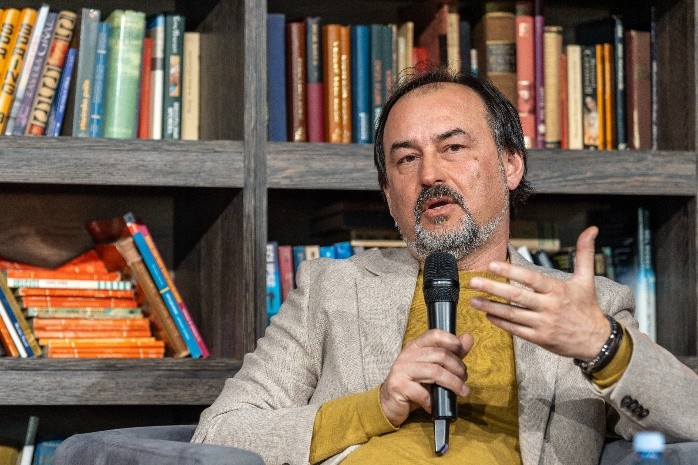
Dalibor Petrović, sociologist
A perspective of faith was offered by priest
Zoran Devrnja, who emphasized that, in Christianity, the response to loss and the sense of insufficiency is found in God.
“Love is the foundation of existence and the way we compensate for loss,” said Devrnja. Responding to the question of whether people turn to faith in moments of loss, he noted that everyone goes through a process of grieving, but that
“love makes us human, while everything else diminishes that humanity within us.”
“The greater the destructive forces, the greater the forces of empathy and love,” Devrnja concluded.
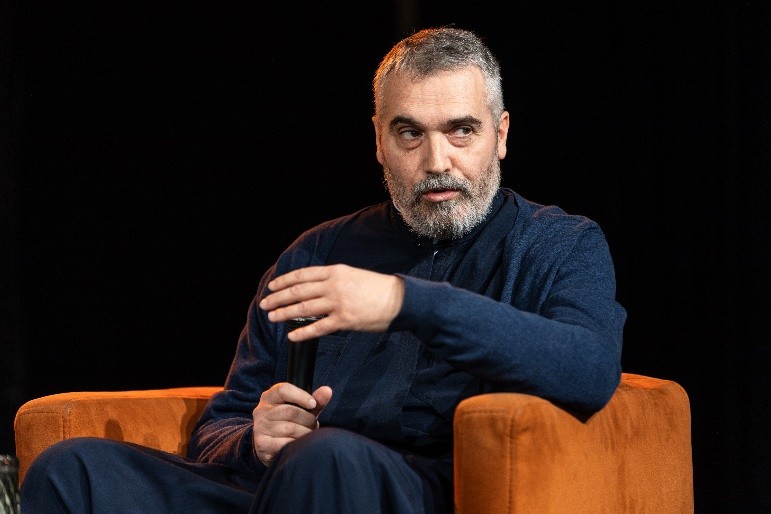
Zoran Devrnja, priest
The
“A Cup of Coffee with a Psychologist” project has been implemented since 2019 with the aim of encouraging the public to care for mental health in the same way as physical health, and to view mental health challenges not as personal weaknesses, but as health issues for which solutions exist when professional help is sought in a timely manner. To date, the project has brought together nearly 90 experts and distinguished public figures, while video content from the panels has reached over one million views on YouTube. The project is jointly implemented by the Hemofarm Foundation, in partnership with the Faculty of Philosophy in Belgrade, with the support of the Art Commune Dorćol Platz.