Secure relationships and physical activity as the most effective protection against stress caused by uncertainty
For the past six years, since the onset of the pandemic, everyday life has been shaped by conditions of a permanent crisis in which global and local challenges intertwine and amplify one another. There are numerous objective reasons for concern, while the possibilities for establishing real control remain limited. In such a context, uncertainty is no longer an exception but a new reality, with no clear indication of its end. The question that arises is not whether fear can be eliminated, but how to live under such circumstances not merely survive.
These very questions were at the heart of the panel discussion “A Cup of Coffee with a Psychologist,” held before a full audience at Dorćol Platz and organized by the Hemofarm Foundation. Participants Vladimir Borovnica, psychologist, Ivan Minić, problem solver with 25 years of experience, Ivan Jevtović, actor, and Dragan Ilić, psychologist and journalist, sought to offer answers which, as emphasized, may not be absolute, but can be “good enough.”
Starting from the fundamental function of fear, the participants pointed out that it should not necessarily be viewed as an enemy. Its evolutionary role is to preserve safety, but its functionality depends on whether it leads us toward meaningful action or paralyzes us.
“We are in a state of chronic stress caused by circumstances beyond our control” said Vladimir Borovnica, psychologist, adding that “if we manage to change someone’s perception, it will not eliminate fear, but it can motivate people to engage in situations they would otherwise avoid.”
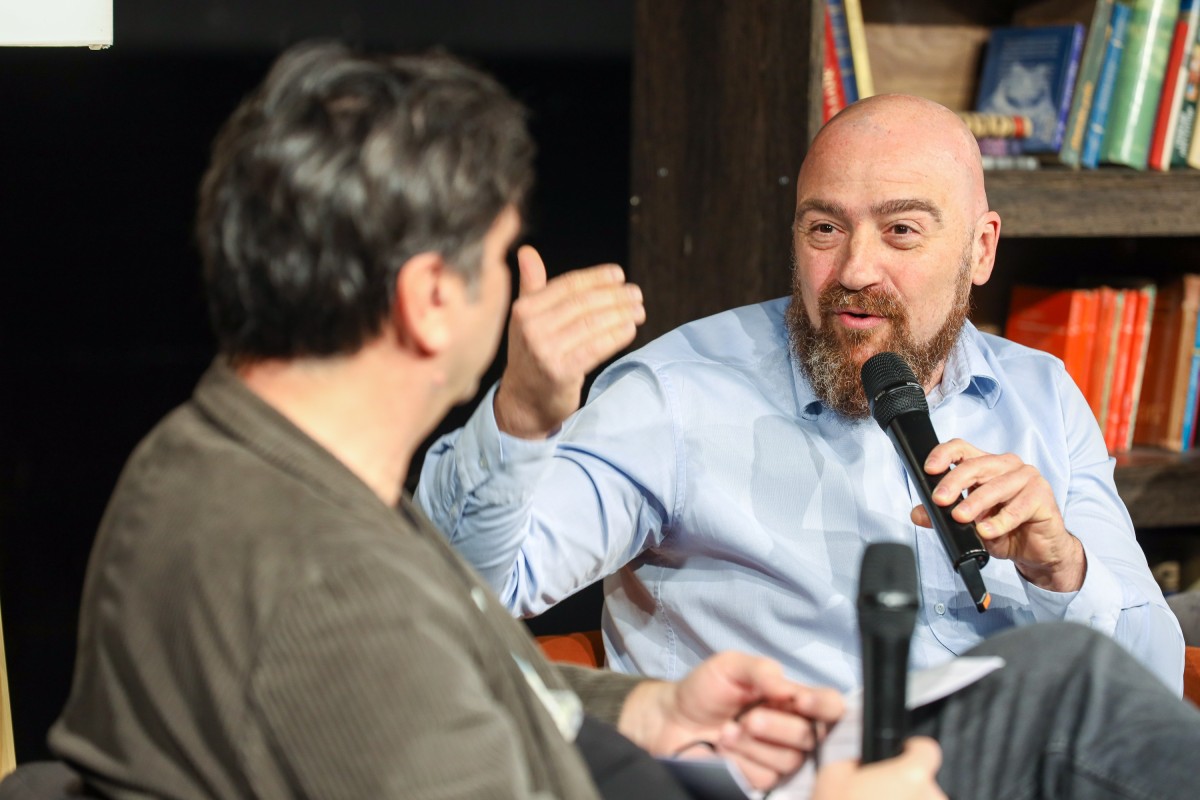
Vladimir Borovnica, psychologist
It is precisely in this distinction between passivity and action that the key to understanding the modern psychological response to crisis lies. The absence of action deepens the sense of helplessness, creating a vicious cycle in which powerlessness becomes both the cause and the consequence.
Ivan Minić, a problem solver with 25 years of experience, noted that for the generation born in the 1980s, the pandemic represented the first moment in which the sense of control was seriously shaken. “COVID was the first situation where things spiraled beyond control, because we had no idea how long it would last.” As he explained, the therapeutic process raised questions about personal capacities for empathy under prolonged pressure. He was told that he has been living in “survival mode” for the past 30 years maintaining empathy toward those close to him, but without the “capacity for everything.”
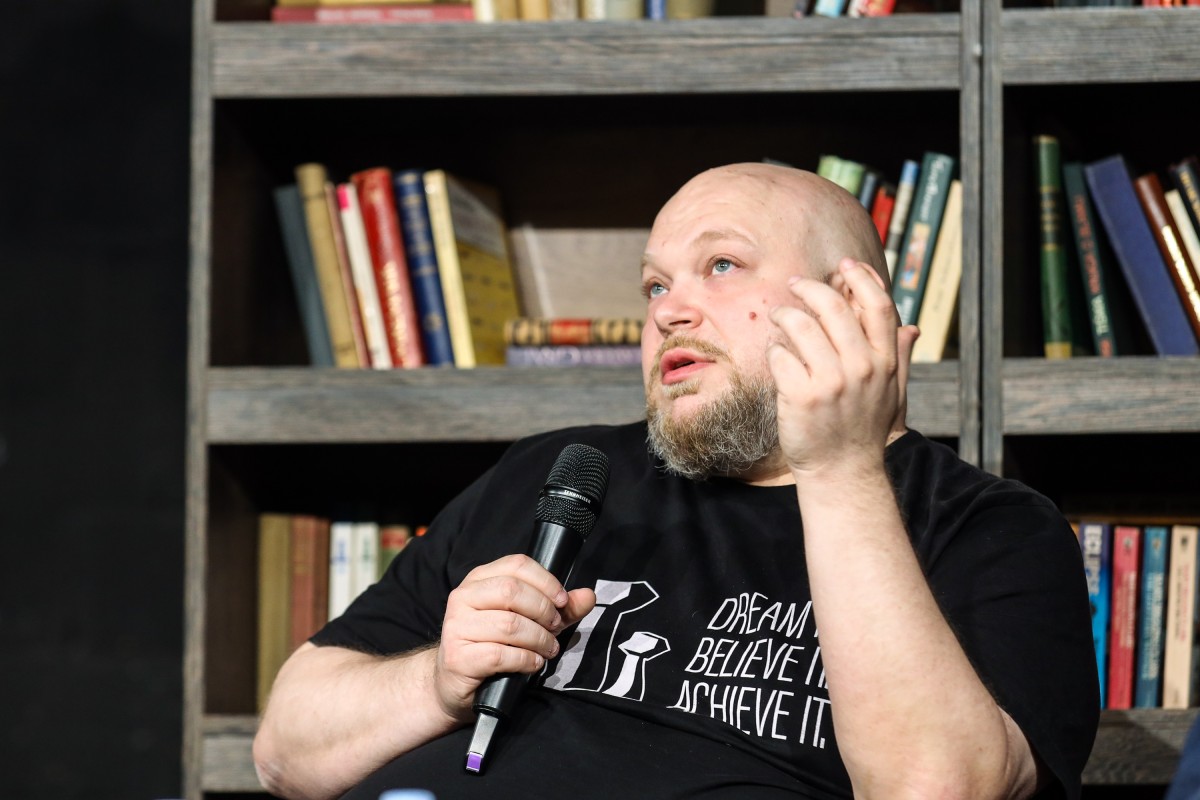
Ivan Minić, problem solver
A similar tension between security and uncertainty was highlighted by actor Ivan Jevtović, who pointed to the specifics of a profession in which institutional stability and personal choices create different levels of exposure to risk.
“Being an actor permanently employed in a theatre in this city is the safest position in the world not because of the money, but because of a system that allows you to perform in other theatres as well. However, it is true that for those outside institutions, uncertainty is constantly present. Some of my colleagues chose it. There are fantastic examples of those who succeeded, but there are also tragic cases of colleagues who needed that kind of support,” said Jevtović, adding that artistic work inherently involves creative uncertainty from which solutions are continuously sought.
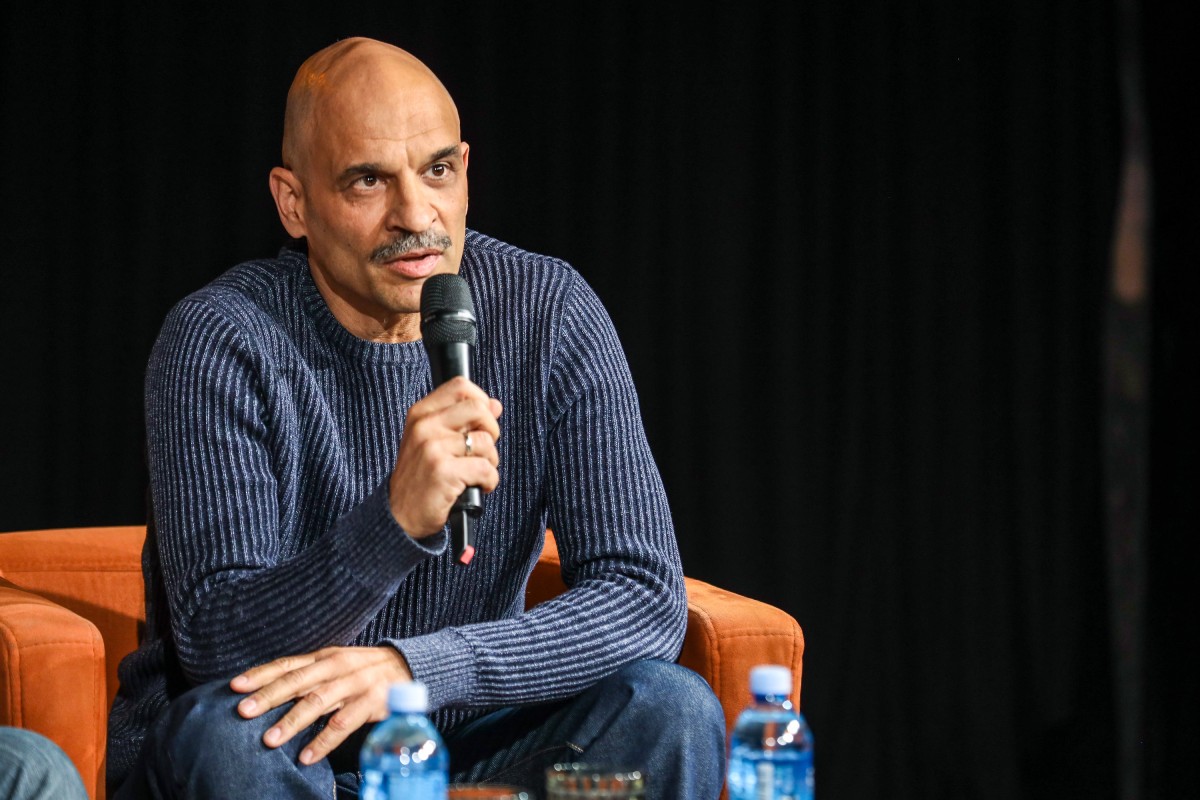
Ivan Jevtović, actor
Despite their different experiences, the participants agreed that the most powerful protective factor against stress caused by uncertainty is at least one secure relationship and a sense of belonging, which enable the development of resilience and reduce subjective perceptions of threat. At the same time, physical activity was identified as the most effective response to the negative health effects of chronic stress, as well as a concrete way to restore a sense of strength and control.
The panel concluded that the goal should not be the elimination of fear, but its transformation. As emphasized, fear does not have to be paralyzing; it can become a driving force that directs us toward meaningful activities and contributes to a life filled with purpose and value.
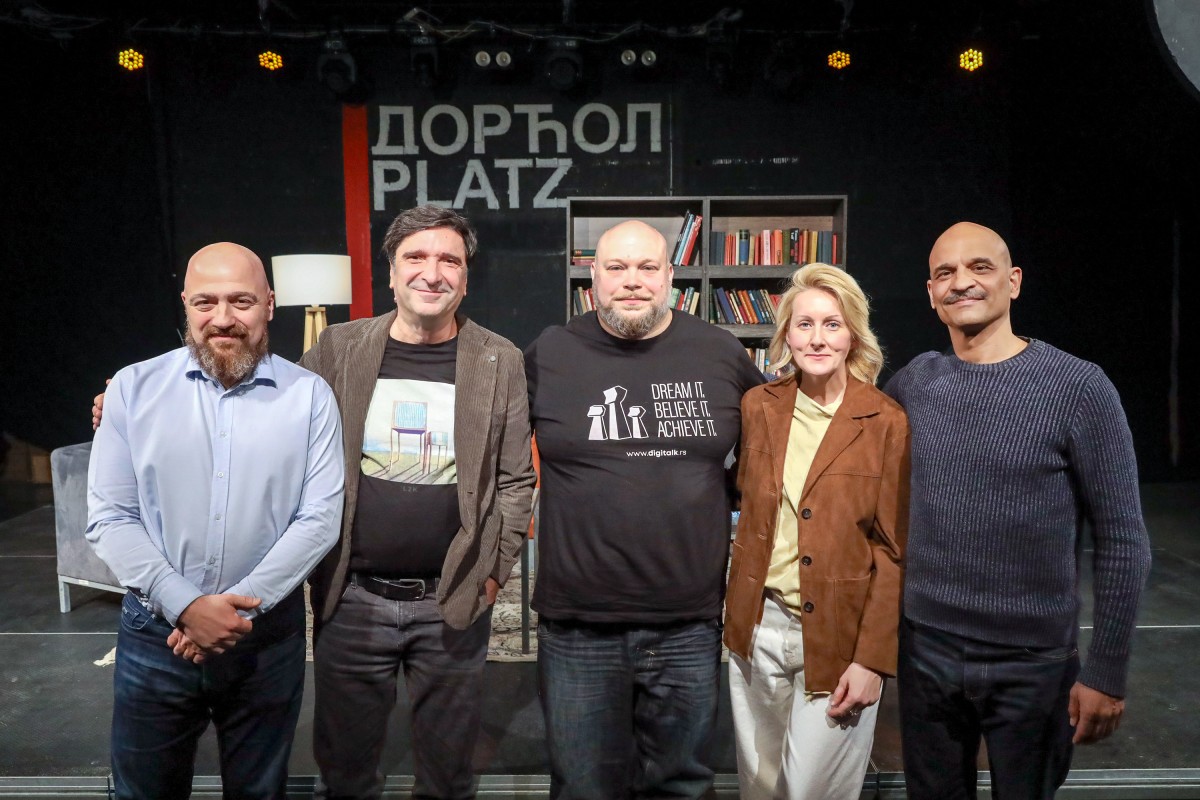
Vladimir Borovnica, psychologist, Dragan Ilić, psychologist and journalist, Ivan Minić, problem solver, Suzana Đorđević, director of Hemofarm Foundation, Ivan Jevtović, actor
The project “A Cup of Coffee with a Psychologist” has been implemented since 2019 with the aim of encouraging the public to care for mental health in the same way as physical health, and not to perceive mental health difficulties as a personal weakness, but as a health issue for which a solution exists provided that professional help is sought in a timely manner. To date, the project has brought together nearly 90 experts and prominent figures, while video content from the discussions on YouTube has garnered more than one million views. The project is carried out in partnership with the Faculty of Philosophy in Belgrade, with the support of the Art Commune Dorćol Platz.