Young People in Serbia Are Speaking More Openly About Psychological Challenges and Seeking Help
An increasing number of young people in Serbia are recognizing the symptoms of depression and showing a willingness to seek professional help when they need it, it was noted during the “A Cup of Coffee with a Psychologist” panel discussion, held before a full audience at Dorćol Platz on the topic “Young People and Depression.”
Vesna Brzev Ćurčić, specialist in medical psychology and one of the panel participants, emphasized that depressive moods are often associated with adolescence, a period marked by intense physical, emotional and psychological changes.
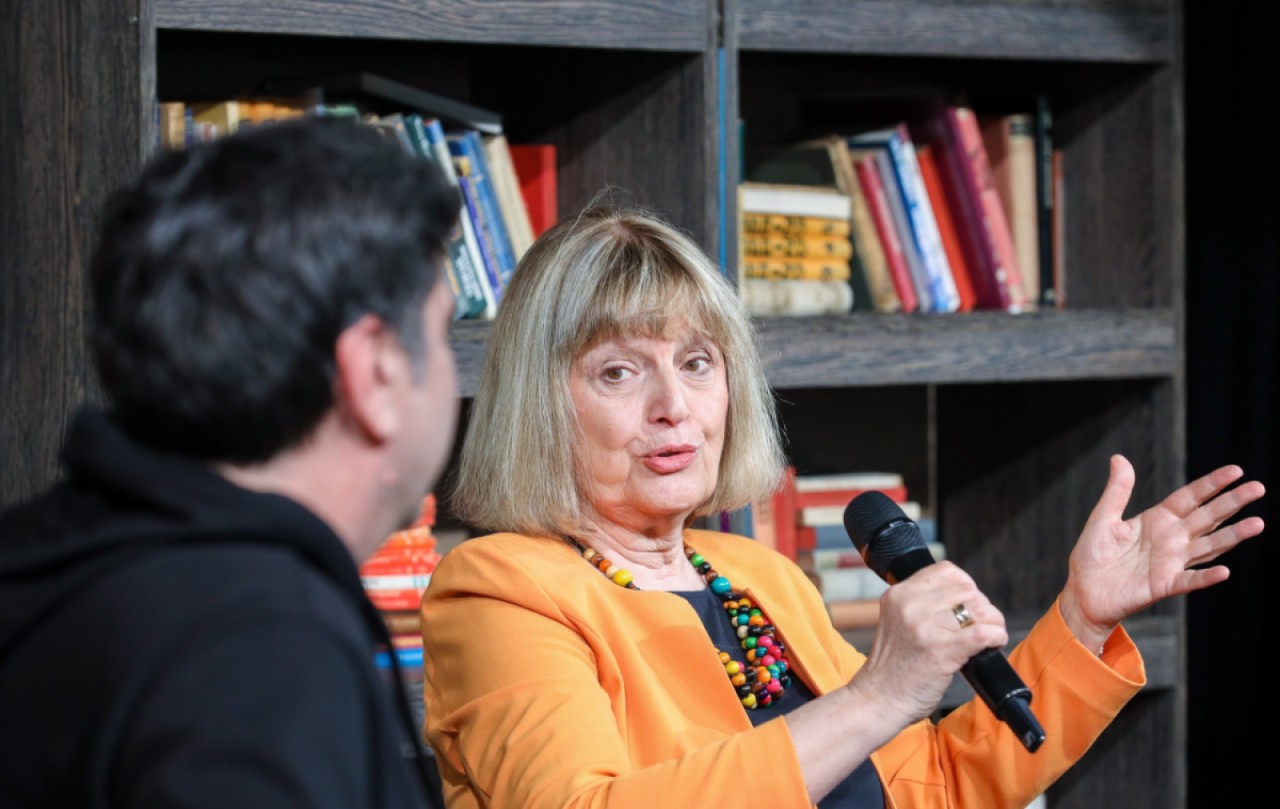
Vesna Brzev Ćurčić, specialist in medical psychology
“Depression among young people manifests itself through feelings of apathy, sadness and emotional withdrawal. The most common causes include physical and hormonal changes, changing schools and environments, as well as misunderstanding from friends and family members,” said Brzev Ćurčić. She added that, in the past, there was a strong stigma among young people surrounding psychological counseling, while today they are increasingly willing to seek help without shame.
Anđelija Arbutina, psychology graduate and volunteer at the Psychological Counseling Center for Students at the Faculty of Philosophy in Belgrade, said it is encouraging that young people today speak more openly about their emotions and psychological struggles.
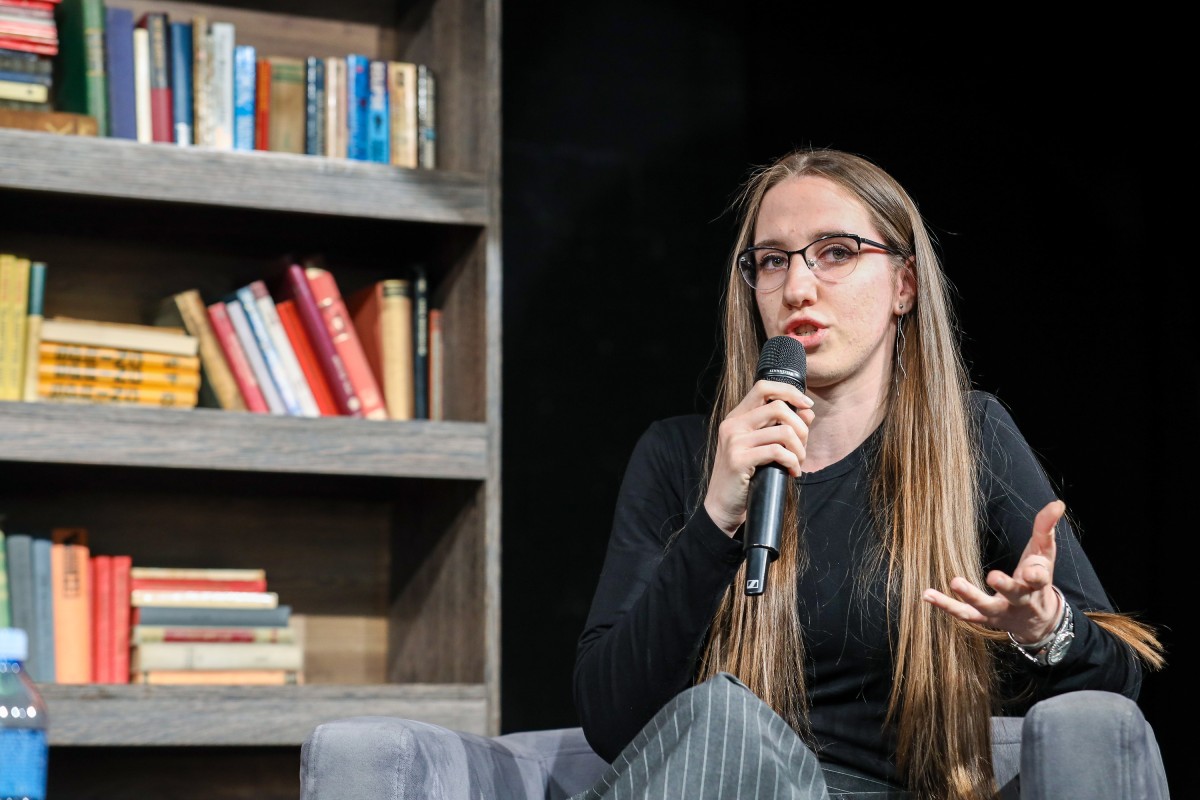
Anđelija Arbutina, psychology graduate and volunteer at the Psychological Counseling Center for Students at the Faculty of Philosophy in Belgrade
“Counseling centers like these are especially important for students, as they often represent the first step toward seeking help,” said Arbutina.
Speaking about the role of parents, Vesna Brzev Ćurčić emphasized that the most important thing is to give adolescents the space to feel heard.
“The first form of support parents can provide is careful listening without judgment, anger or unsolicited advice. It is also important for parents and children to speak together with professionals who can help them better understand and overcome the challenges of growing up,” she said.
The “A Cup of Coffee with a Psychologist” panel discussion is organized by the Hemofarm Foundation in partnership with the Faculty of Philosophy of the University of Belgrade and the Dorćol Platz Art Commune.
The “A Cup of Coffee with a Psychologist” project has been implemented since 2019 with the aim of encouraging the public to care for mental health as responsibly as physical health, and to view psychological difficulties not as a personal weakness, but as a health issue for which there is a solution when professional help is sought in time. To date, the project has brought together nearly 90 experts and public figures, while videos from the panel discussions on YouTube have recorded more than one million views.